
How to Size a Rug: The Ultimate Rug Size Guide for Every Room
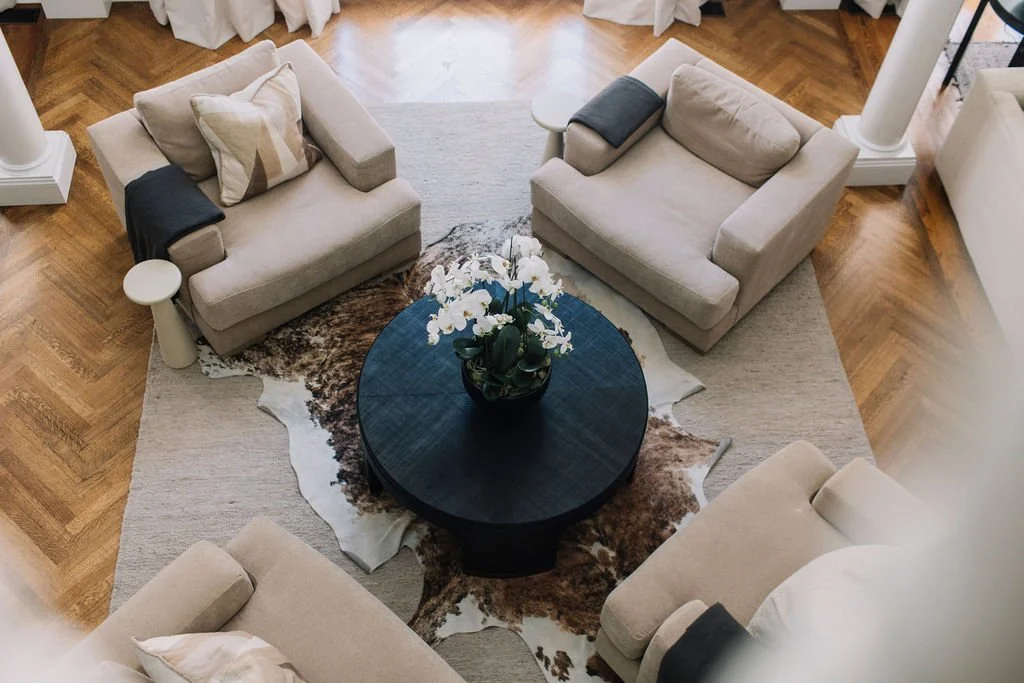
A rug does more than add color and texture—it anchors your furniture, defines a space, and creates a sense of balance throughout a room. Yet one of the most common design mistakes homeowners make is selecting a rug that's too small.
When sized correctly, a rug can make a room feel larger, more cohesive, and professionally designed. Here's our guide to choosing the right rug for every space in your home.
Living Room Rug Sizing
The living room is one of the most common places where rug sizing mistakes occur. While it may be tempting to choose a smaller rug to save on cost, an undersized rug can make even a well-furnished room feel disconnected and visually smaller than it actually is.
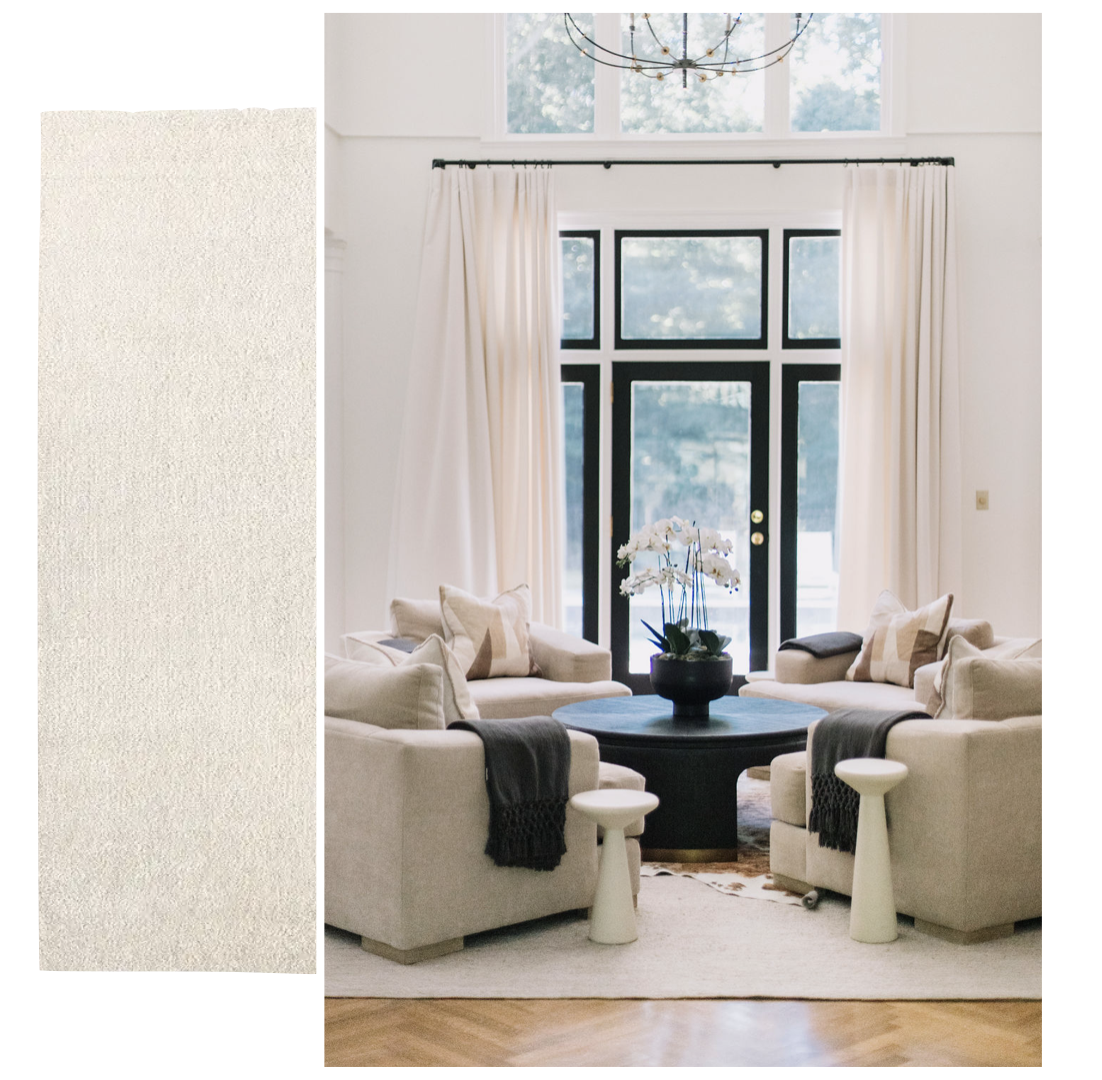
A properly sized rug should help anchor the entire seating arrangement, creating a sense of cohesion between your furniture pieces. As a general design rule, all major furniture pieces should either sit completely on the rug or have at least their front legs resting on it. This creates a visual connection between the sofa, chairs, and coffee table, allowing the room to feel intentional and balanced.
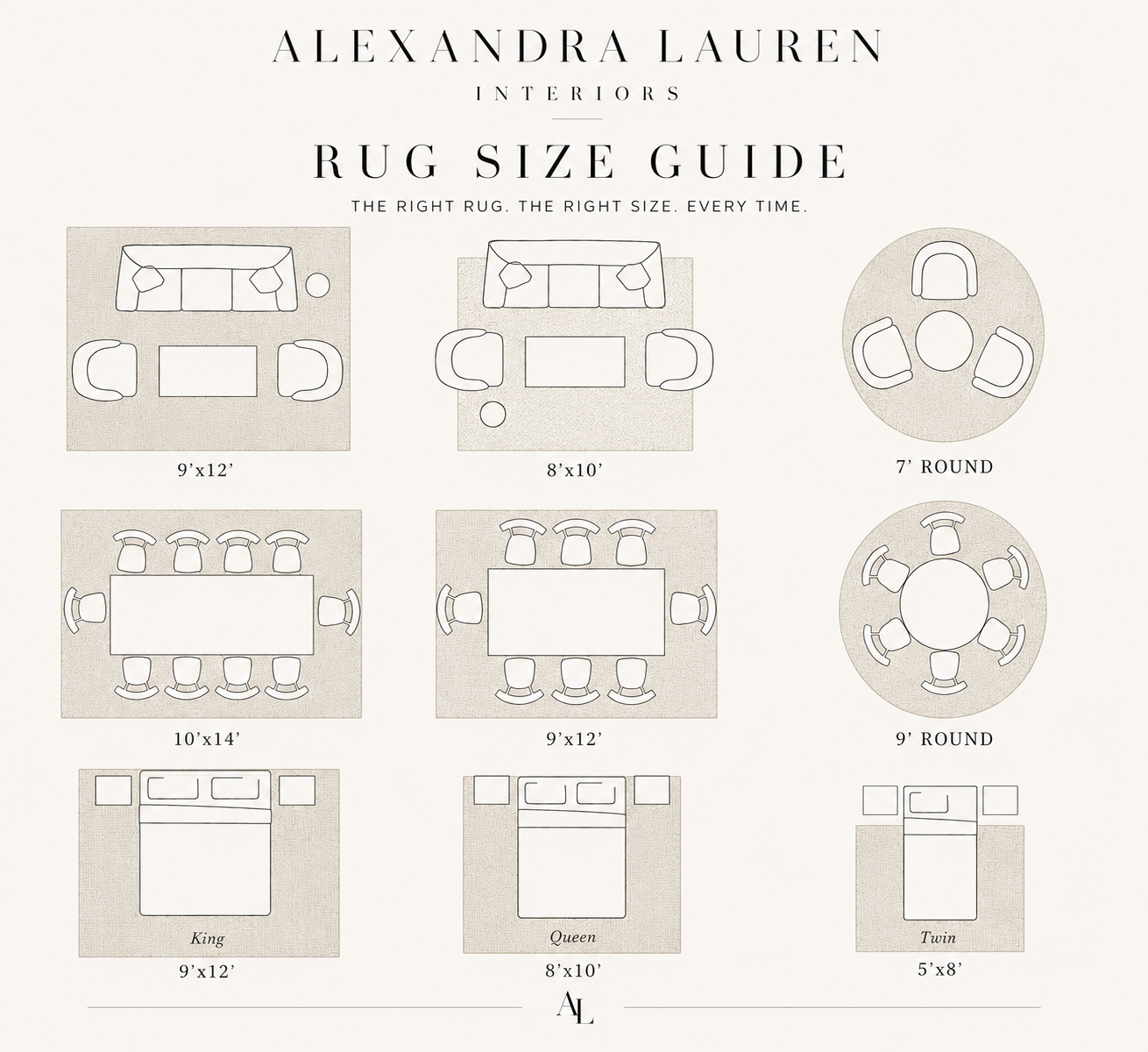
For most living rooms, an 8' x 10' or 9' x 12' rug provides the right amount of coverage. Larger rooms often benefit from a 9' x 12' rug, while smaller seating arrangements may comfortably accommodate an 8' x 10'. The goal is to create a defined conversation area rather than allowing furniture to appear as though it's floating independently around the room.
When selecting a rug, leave approximately 12 to 18 inches of visible flooring around the perimeter whenever possible. This frame of flooring helps the room feel proportional while allowing the rug to serve as the foundation of the design.
If you're deciding between two sizes, designers almost always recommend going larger. A generously sized rug creates a polished, professionally designed look and often makes the entire room feel more spacious.
Dining Room Rug Sizing
In a dining room, the rug serves both a functional and aesthetic purpose. It helps define the dining area while protecting flooring from daily wear and tear. However, the key to successful dining room rug placement is ensuring the rug accommodates both the table and the chairs.
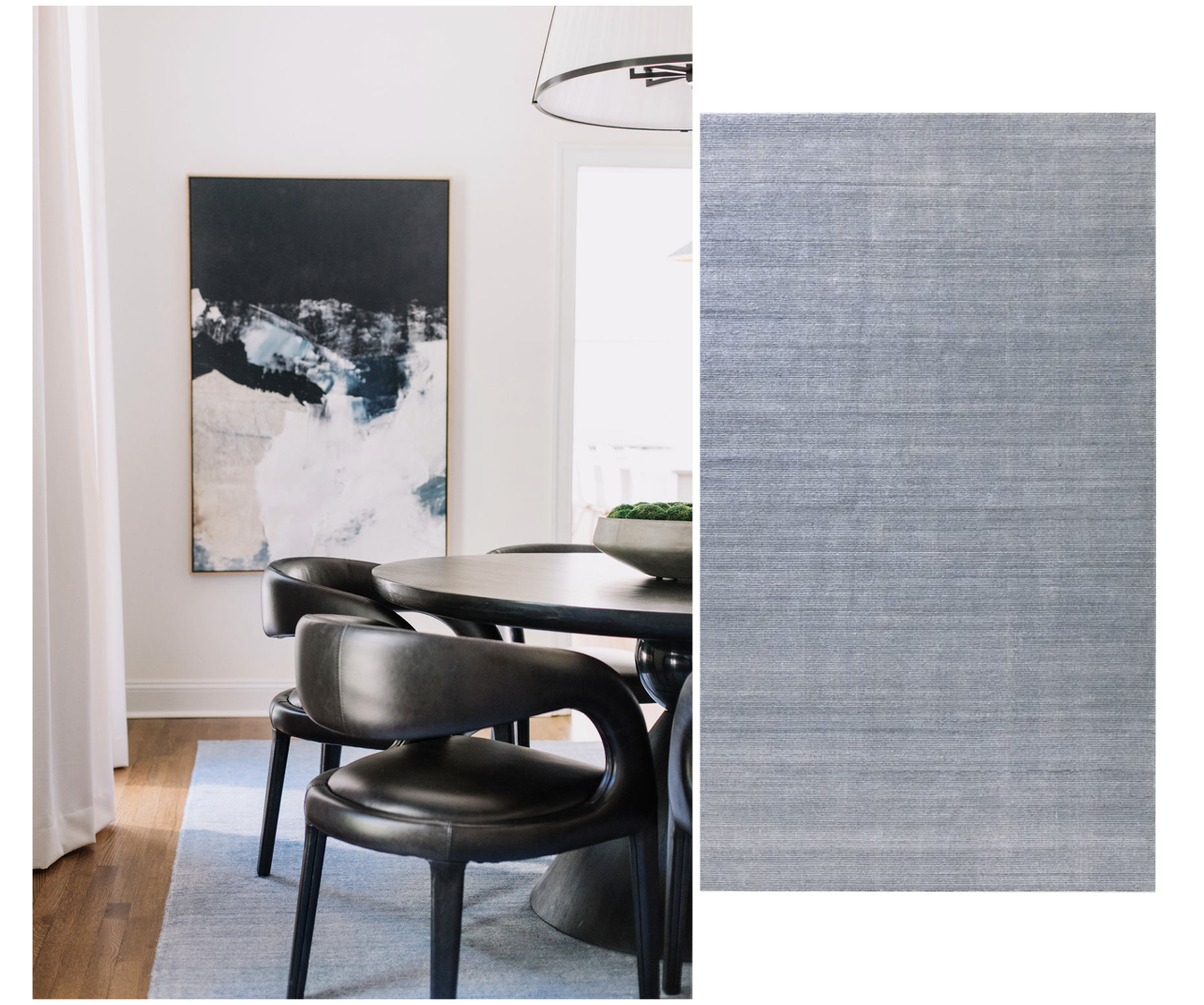
One of the most important design rules is that dining chairs should remain fully on the rug, even when pulled out for seating. If the rug is too small, chair legs can catch on the edge, creating an awkward and uncomfortable dining experience.
As a general guideline, your rug should extend at least 24 inches beyond each side of the dining table. This provides adequate room for guests to move chairs comfortably while maintaining a balanced appearance.
For larger rectangular dining tables seating eight or more people, a 9' x 12' or 10' x 14' rug is often ideal. Smaller dining spaces may work beautifully with an 8' x 10' rug. For round dining tables, a round rug often creates the most harmonious look, echoing the shape of the table while softening the overall space.
Because dining rooms are frequently used for entertaining, selecting the correct rug size helps create a welcoming atmosphere that feels both elegant and functional.
Bedroom Rug Sizing
A bedroom should feel calm, comfortable, and inviting, and the right rug plays a significant role in achieving that atmosphere. Beyond adding warmth and texture, a rug helps visually ground the bed and establish it as the focal point of the room.
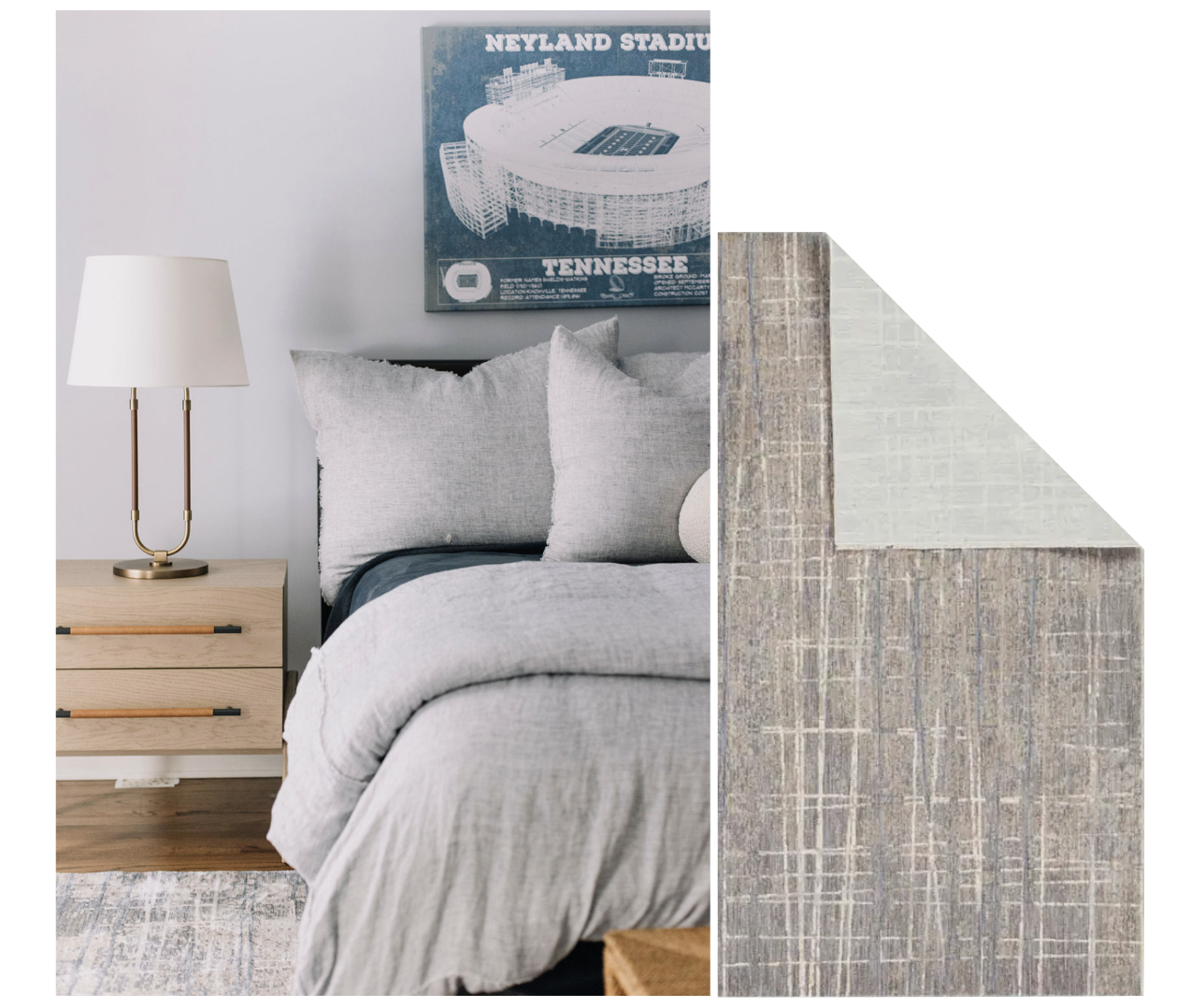
For the most balanced appearance, the rug should extend beyond both sides of the bed as well as the foot of the bed. This creates a generous border of softness underfoot and prevents the room from feeling top-heavy.
A king-size bed typically pairs best with a 9' x 12' rug, while an 8' x 10' rug often works beautifully beneath a queen bed. Twin beds generally look best with a 5' x 8' rug or individual runners positioned alongside the bed.
When placing the rug, it should begin slightly in front of the nightstands and extend beyond the foot of the bed. This placement keeps the focus on the bed while ensuring the rug remains visible throughout the room.
One of the reasons larger bedroom rugs are so effective is that they create a sense of luxury. The extra coverage softens the room visually and physically, making the space feel more layered, comfortable, and thoughtfully designed.
Entryways and Smaller Spaces
Smaller spaces deserve just as much attention as larger rooms. Entryways, hallways, mudrooms, and transitional spaces are often the first areas guests encounter, making them important opportunities to establish the tone of your home.
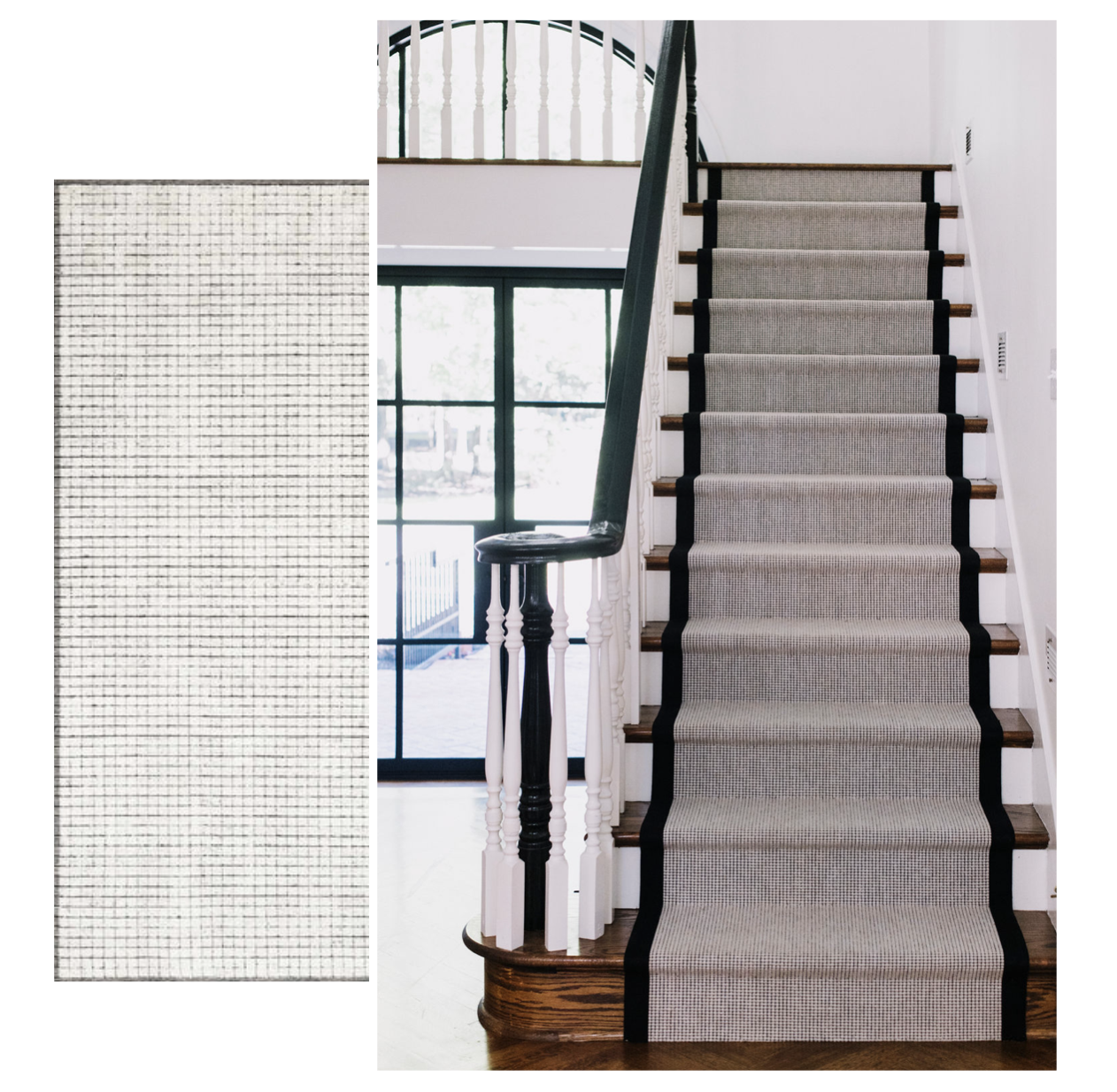
In hallways, runners help guide the eye through the space while adding warmth and softness underfoot. Ideally, a runner should leave several inches of flooring visible on each side, creating a clean border that feels intentional rather than crowded.
For entryways, select a rug that fills the space without interfering with door swings or foot traffic. The rug should feel substantial enough to define the area while maintaining adequate clearance around the edges.
Because these spaces experience high levels of daily traffic, durability is just as important as aesthetics. Look for rugs that balance style and practicality while complementing the surrounding rooms.
Thoughtfully chosen rugs in transitional spaces help create continuity throughout the home, allowing each room to flow naturally into the next.
When in Doubt, Go Larger
If there's one rule designers consistently follow when selecting rugs, it's this: when in doubt, choose the larger size.
A rug that is too small can make furniture feel disconnected and create visual clutter within a room. By contrast, a larger rug helps unify furnishings, define functional zones, and establish a stronger sense of proportion.
The right rug acts as the foundation of the room's design. It anchors furniture, adds texture and warmth, and creates the polished look that makes a space feel complete.
Before making a final decision, consider your furniture layout, room dimensions, and how the space is used on a daily basis. Investing in the proper size from the beginning will have a lasting impact on the overall feel and functionality of the room.
In design, scale is everything—and few elements influence scale more than a well-sized rug.
Come Visit Our Showroom to Shop Rugs In Stock!
Selecting a rug isn't just about size—it's also about texture, color, pattern, and how it complements your furnishings.
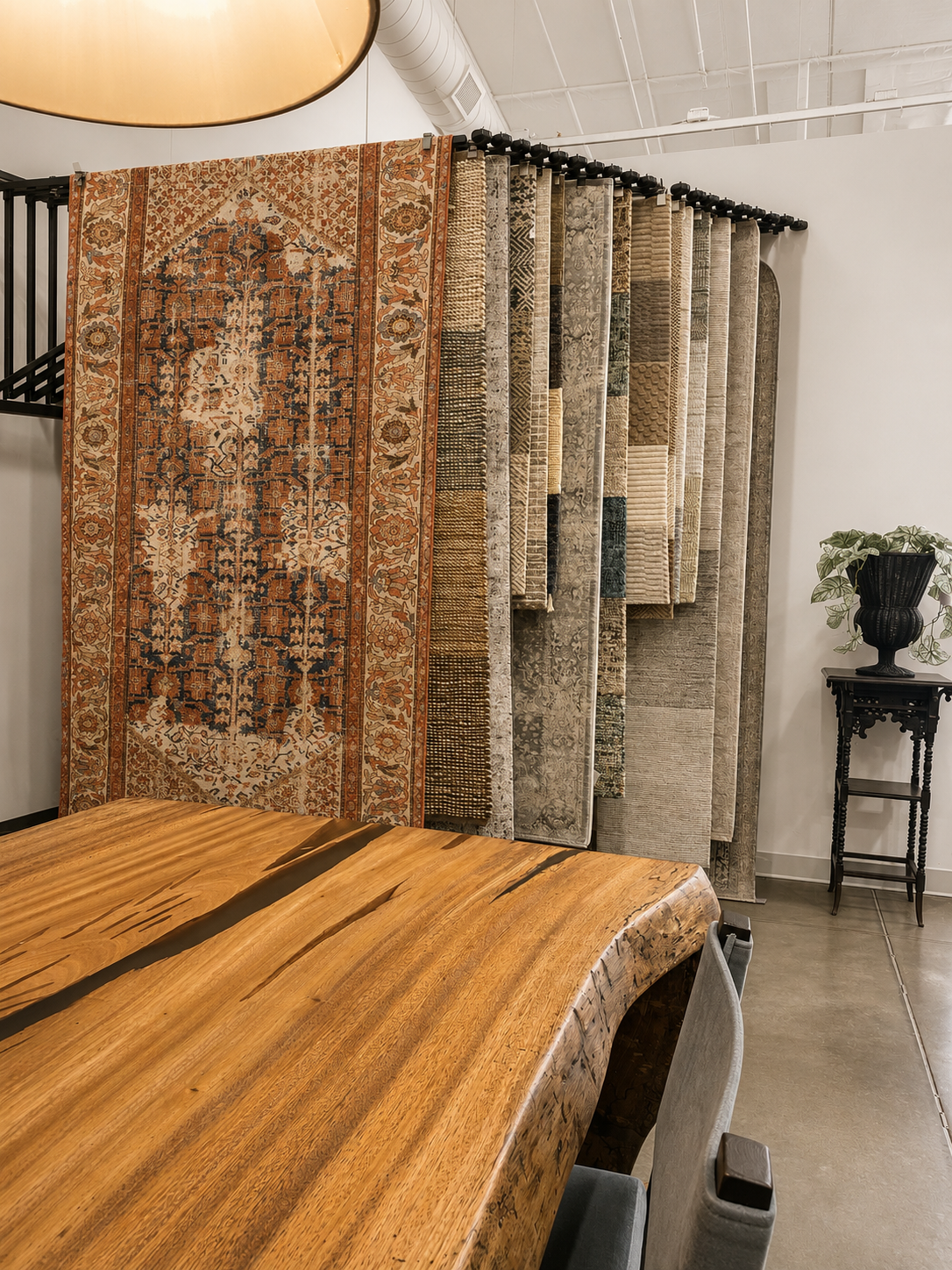
Visit our showroom to explore our new rug rack and browse a curated selection of rugs designed to elevate every room in your home. Our team is happy to help you find the perfect size and style for your space.
2192 Express Dr, Suite B Jackson TN, 38305